Black Myth Wukong on PS5: A Visual Feast with Performance Hiccups
Black Myth Wukong's stunning Unreal Engine 5 visuals on PS5 were tragically marred by severe performance issues and unreliable frame generation. This cautionary console debut highlights the pitfalls of prioritizing graphics over smooth gameplay, creating an inconsistent experience. Despite its artistic brilliance, technical flaws like stuttering and input lag disrupted immersion.
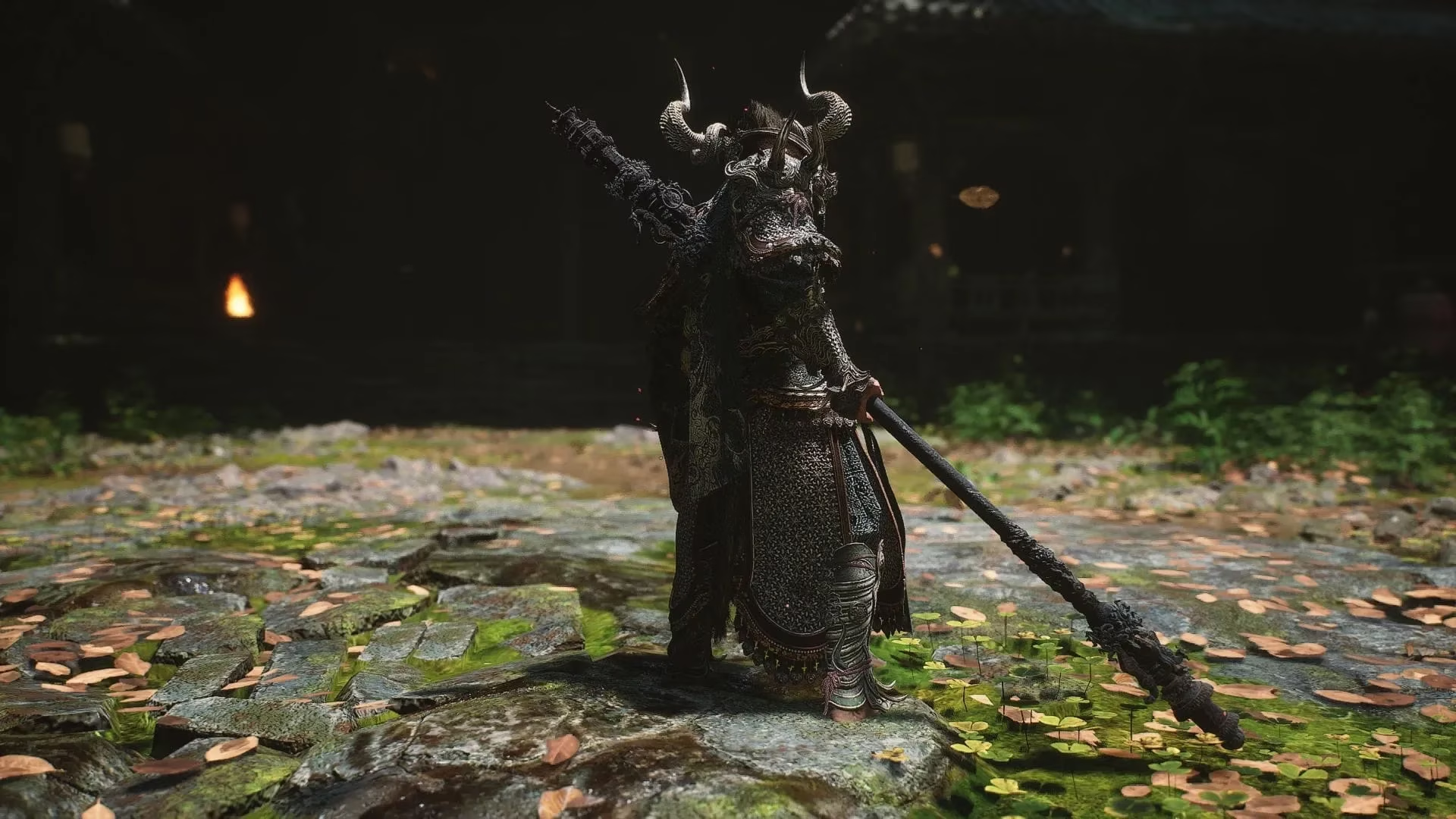
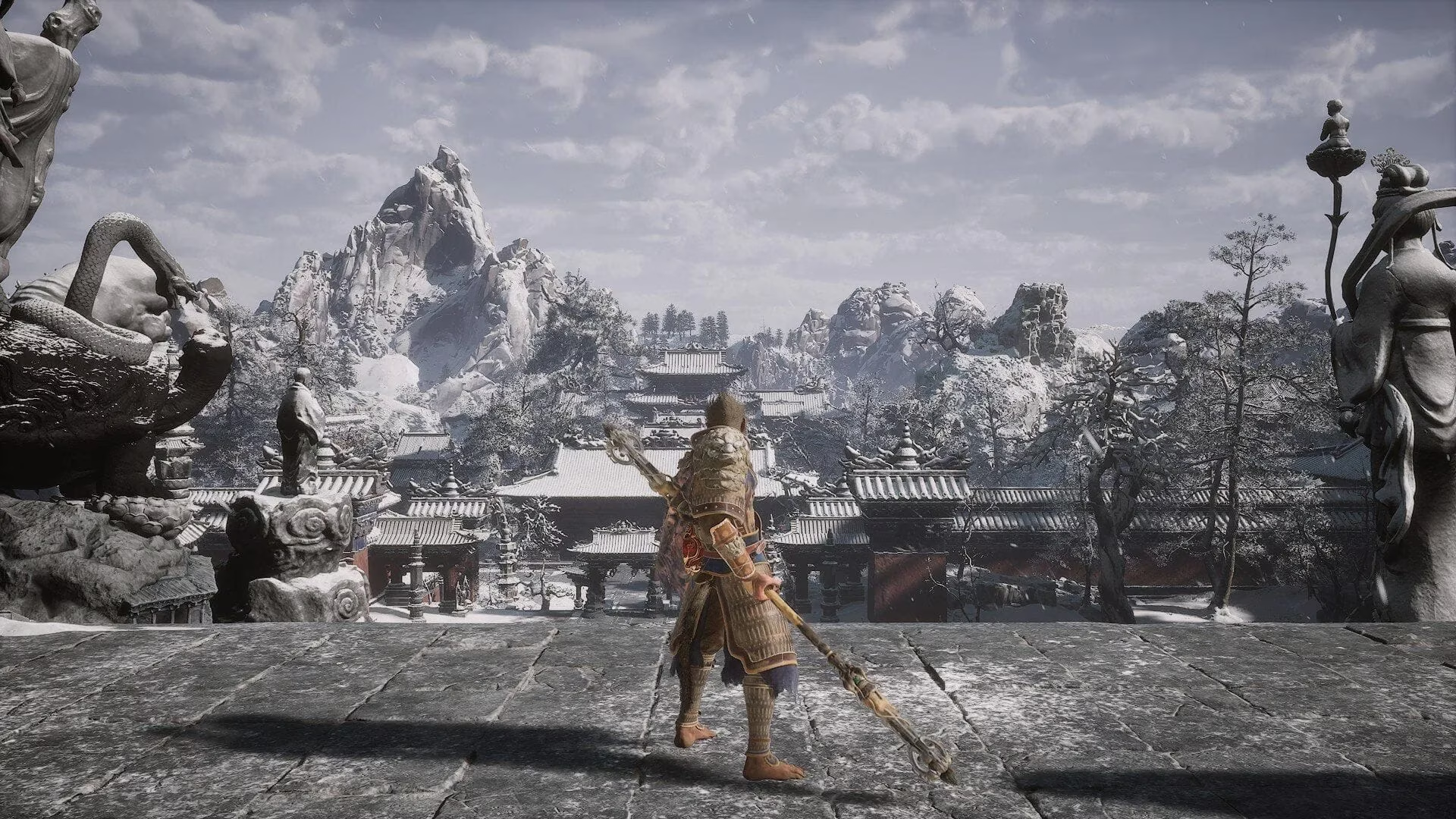
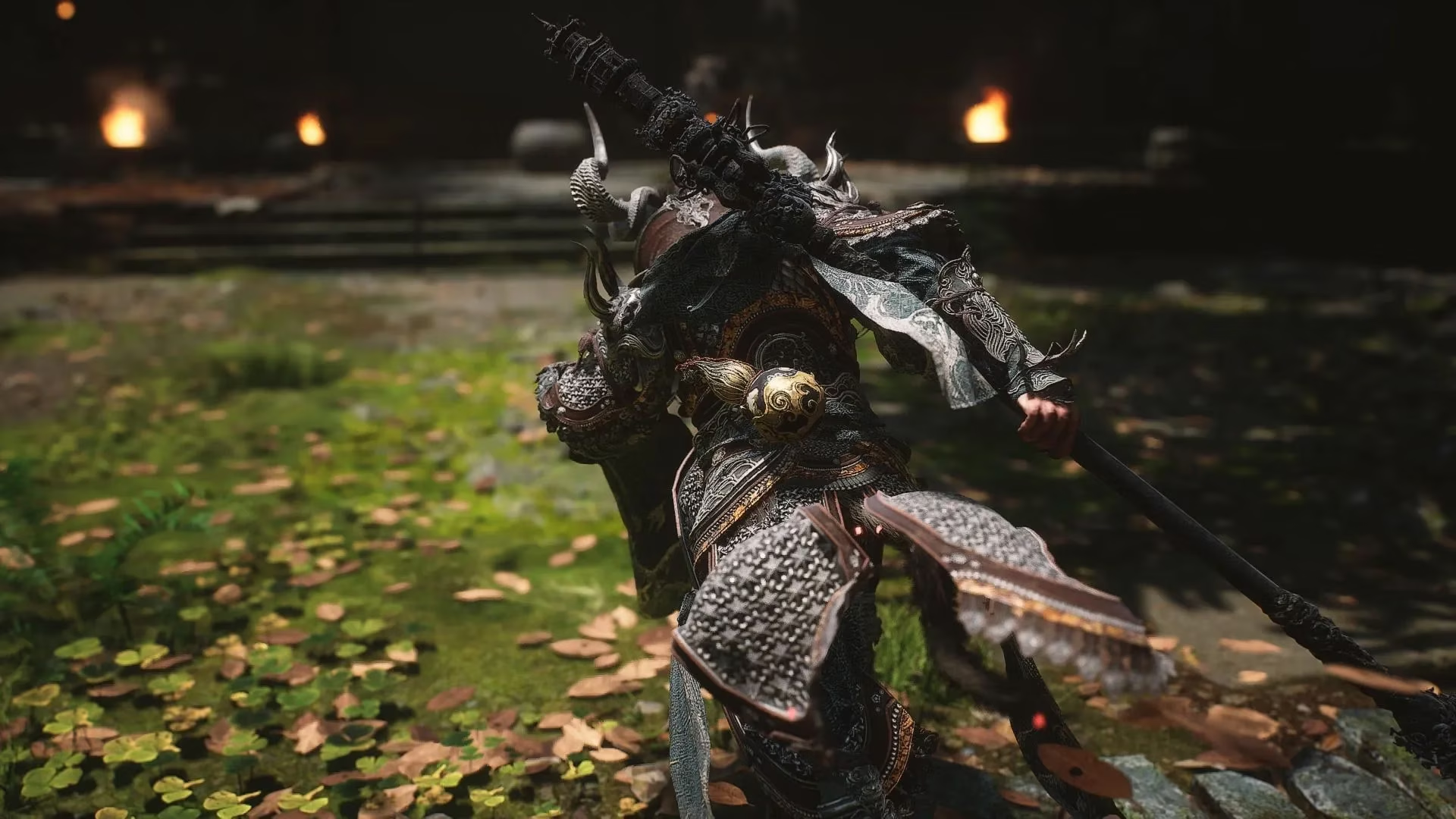
There's no denying that Black Myth Wukong is a breathtaking action role-playing game that pushes the boundaries of Unreal Engine 5 to its absolute limits. However, as we look back from 2026, its console debut on PlayStation 5 serves as a cautionary tale about chasing graphical grandeur at the expense of smooth performance. While the game remains an artistic masterpiece, its technical execution on Sony's flagship console was akin to watching a virtuoso pianist perform on a slightly out-of-tune instrument—the melody is still beautiful, but the occasional discordant note is impossible to ignore.
For those who experienced the game on PC, the transition to PS5 felt like swapping a finely-tuned sports car for a luxury sedan with occasional transmission slips. The console version, while completely playable from start to finish, presented a rollercoaster of performance issues that varied wildly between chapters. The game's reliance on AMD's FSR3 Frame Generation to hit its 60 FPS target created a situation reminiscent of trying to watch a 4K movie through a slightly foggy lens—the picture is still impressive, but you're constantly aware something isn't quite crystal clear.
The Performance Rollercoaster
My journey through the game's chapters revealed a bizarre pattern of stability that felt as unpredictable as trying to predict the weather in a fantasy realm:
| Chapter | Performance Experience | Key Issues |
|---|---|---|
| 1-2 | Smooth sailing | Minor stuttering, playable |
| 3 - The New West | Technical nightmare | Constant stuttering, frame drops, input lag |
| 4 - The Webbed Hollow | Surprisingly stable | Few issues, decent framerate |
| 5 - The Flaming Mountains | Disaster zone | Worse than Chapter 3, freezes galore |
| 6 - Mount Huaguo | Mixed bag | Better than 3 & 5, but inconsistent |
The Frame Generation Conundrum
The PS5 version's approach to maintaining 60 FPS was particularly fascinating. Instead of native performance, the game leaned heavily on Frame Generation technology, which felt like watching a magic trick where you can see how it's done but still appreciate the spectacle. The added latency was noticeable but not game-breaking—except during intense combat sequences where timing is everything. It reminded me of trying to have a conversation with someone who's just slightly out of sync on a video call; you can communicate, but there's always that tiny delay that keeps things from feeling perfectly natural.
Chapter 3: The Breaking Point
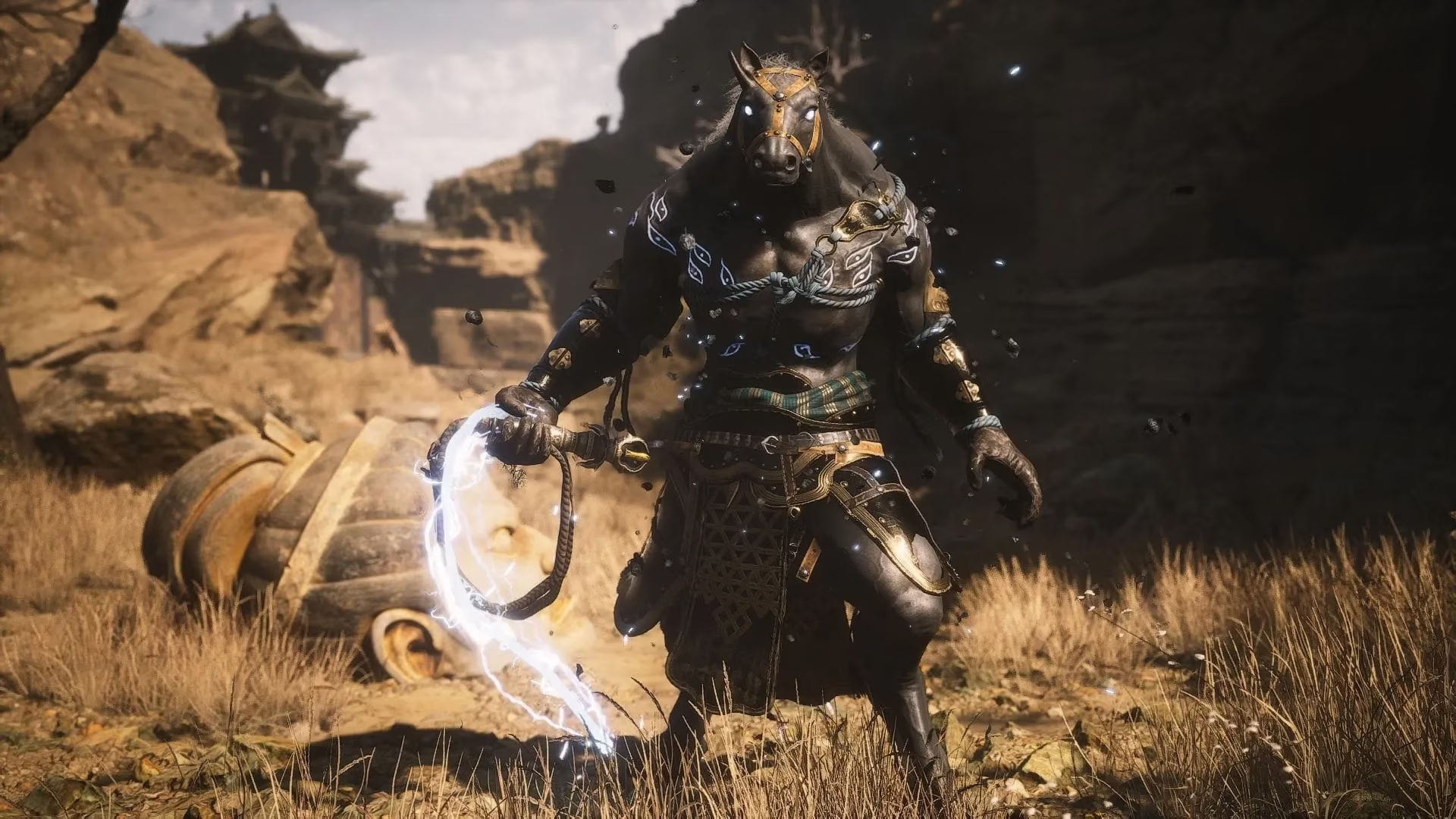
The third chapter, The New West, served as the game's technical crucible. Up until the Pagoda Realm, things were manageable, but venturing toward the Thunderclap Temple triggered what can only be described as a digital meltdown. The issues included:
-
Constant stuttering that felt like the game was having mini-seizures
-
Frame rate drops so severe they could make you question reality
-
Complete freezes lasting just long enough to induce panic
-
Input misreading that turned precise combat into a guessing game
This section's performance was so erratic that defeating the chapter boss, Yellowbrow, felt like an achievement in both gaming skill and technical endurance.
The Xbox Series S Dilemma
Looking at the PS5's struggles, one can't help but wonder about the Xbox Series S version. The performance gap between consoles is substantial:
-
PS5: Struggled to maintain stable 60 FPS with Frame Generation
-
Series X: Likely similar to PS5 with minor variations
-
Series S: A genuine concern for playability
Given that the Series S is significantly less powerful, the prospect of it running Black Myth Wukong smoothly feels about as likely as finding a perfectly ripe avocado at the supermarket—possible in theory, but rarely seen in reality. The console would need optimization miracles to deliver even a compromised version of the PS5 experience.
Historical Parallels and Industry Reflections
Playing Black Myth Wukong on PS5 brought back memories of other technically ambitious games that pushed hardware to its limits:
-
Control (PS4): Another visual marvel that sacrificed performance for fidelity
-
Bloodborne: Celebrated for its design despite technical shortcomings
-
Cyberpunk 2077 (Launch): Ambitious vision hampered by performance issues
What's particularly interesting in 2026 is how Black Myth Wukong's console performance represents a turning point in gaming expectations. Players are increasingly demanding both visual excellence and technical polish—a combination that remains as elusive as finding a comfortable position on a long-haul flight.
The Platinum Trophy Paradox
Despite all the technical hiccups, I found myself so engrossed in the game's world and combat that I pursued and obtained the Platinum trophy. This speaks volumes about the game's fundamental quality—it's like being served a five-star meal on slightly chipped plates; you notice the imperfections, but the culinary experience is so exceptional that you keep eating anyway.
The game's strengths were numerous enough to outweigh its technical weaknesses:
✅ Combat system that felt both challenging and rewarding
✅ Art direction that redefined visual storytelling
✅ World design that made exploration genuinely exciting
✅ Boss encounters that will be remembered for years
Looking Forward from 2026
As we reflect on Black Myth Wukong's console journey, several lessons emerge for the gaming industry:
Technical Realism: There's a growing need for developers to match their artistic ambitions with technical feasibility. Pushing hardware is admirable, but not at the cost of playability.
Console Parity: The gap between PC and console performance continues to be a challenge, especially with rapidly advancing graphics technology.
Player Expectations: Gamers in 2026 are less forgiving of performance issues, having experienced several generations of increasingly polished titles.
Optimization Importance: The difference between a good port and a great one often comes down to optimization—something that feels as rare and valuable as a perfectly timed pun in a serious conversation.
Conclusion: A Beautiful, Flawed Masterpiece
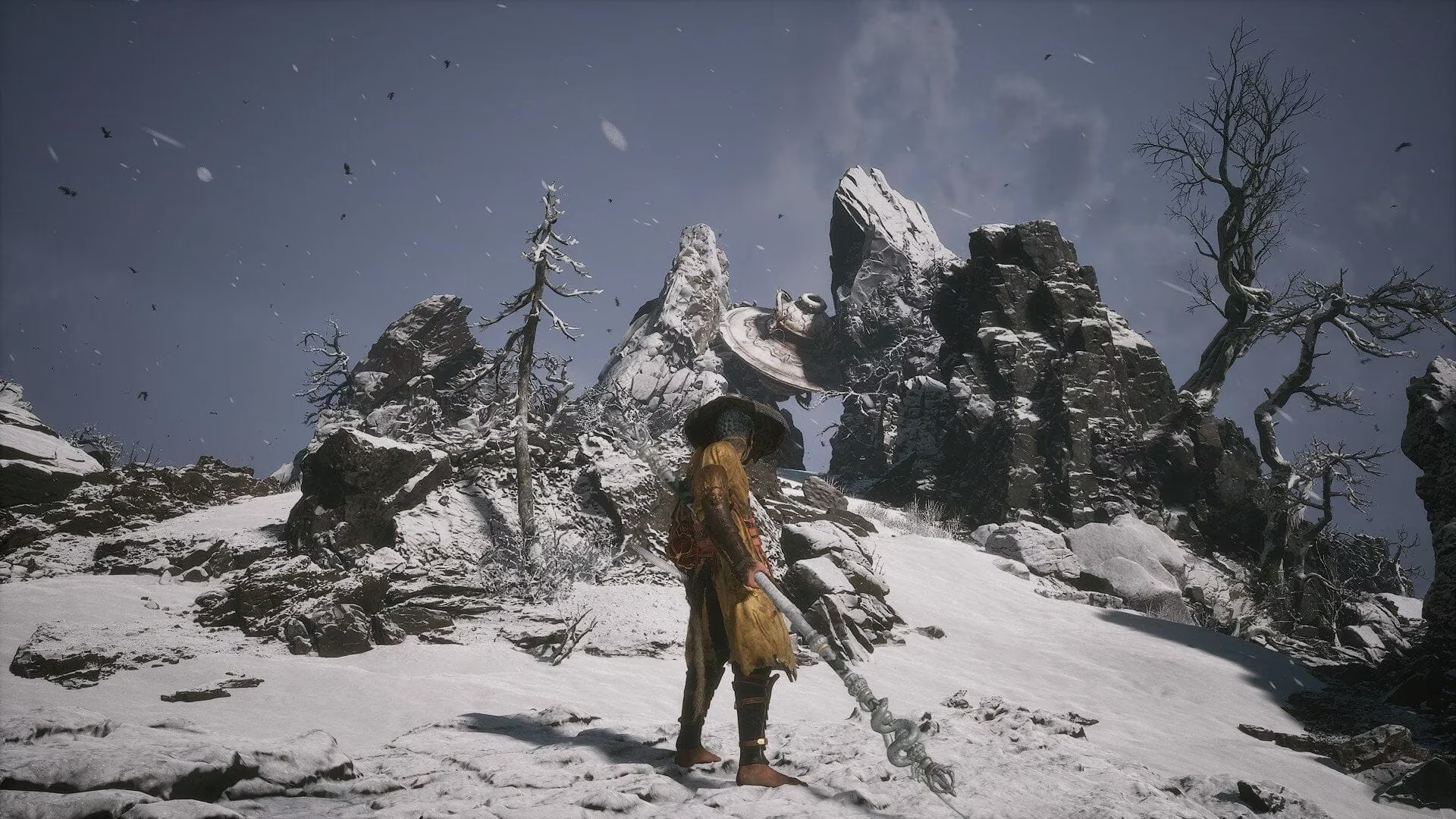
Black Myth Wukong on PS5 stands as a testament to what's possible in game development while simultaneously highlighting what still needs improvement. It's a game that feels like watching a fireworks display during a light rain—the spectacle is undeniable, but you can't help wishing the conditions were just a bit better.
For Xbox Series S owners waiting for their version, the PS5 experience suggests cautious optimism at best. One can only hope that GameScience takes the necessary time to optimize the game for Microsoft's less powerful console, ensuring that all players can experience this remarkable title in the best possible state.
In the end, Black Myth Wukong remains an exceptional achievement in game design—a title that will be discussed and analyzed for years to come, both for what it accomplished artistically and for what it revealed about the ongoing challenges of console game development. Its legacy is secure, even if its technical execution occasionally stumbled on the path to greatness.
The following breakdown is based on broader industry context reported by GamesIndustry.biz, where developer interviews and market analysis frequently frame optimization as a production and scheduling problem—not just a technical one. That lens helps explain why a visually uncompromising UE5 showcase like Black Myth: Wukong can ship in a playable state on PS5 yet still swing wildly between chapters: performance stability often comes down to late-stage profiling time, platform-specific bottleneck hunting, and the hard trade-offs teams make when targeting 60 FPS via techniques like frame generation.
Leave a Comment